
Ultimate Guide to Data in Credit Underwriting
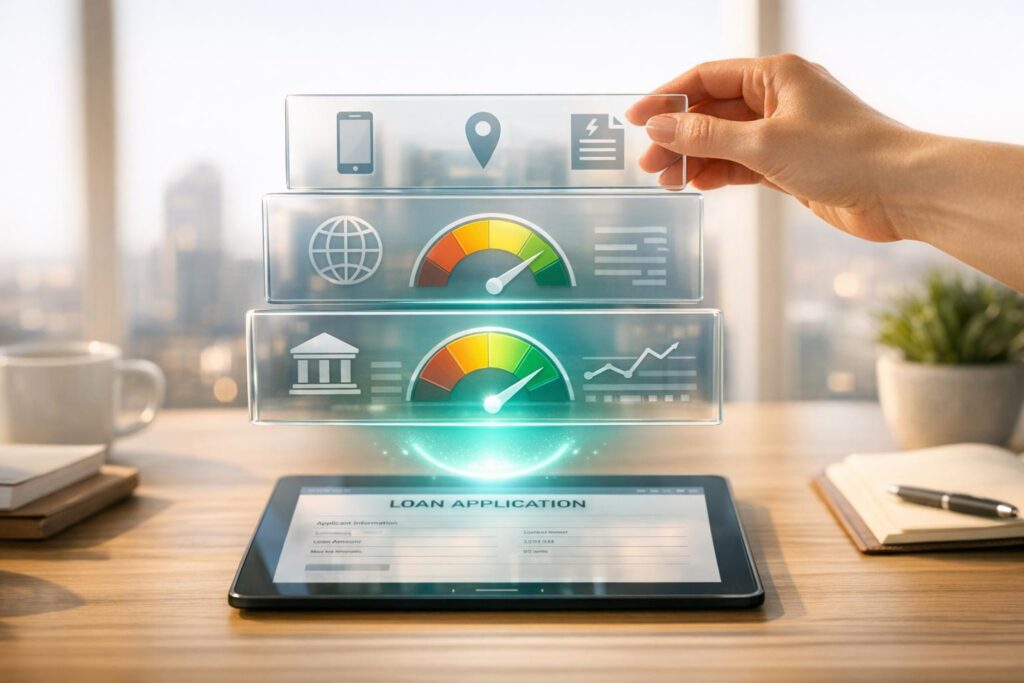
Data and AI transform credit underwriting into real‑time risk assessment using internal, external, and alternative signals.
Common Market Risks in B2B Credit

Protect B2B receivables from currency, industry, economic, and concentration risks with monitoring, dynamic limits, and trade credit insurance.
How Tech Companies Use Credit Insurance

Credit insurance protects tech firms from unpaid invoices, stabilizes cash flow, and enables safer growth and financing.
Global Trade Disputes: Insurance Solutions

Compare trade credit, political risk, and accounts receivable insurance to protect cash flow and manage international trade risks.
Best Practices for B2B Credit Scoring Models
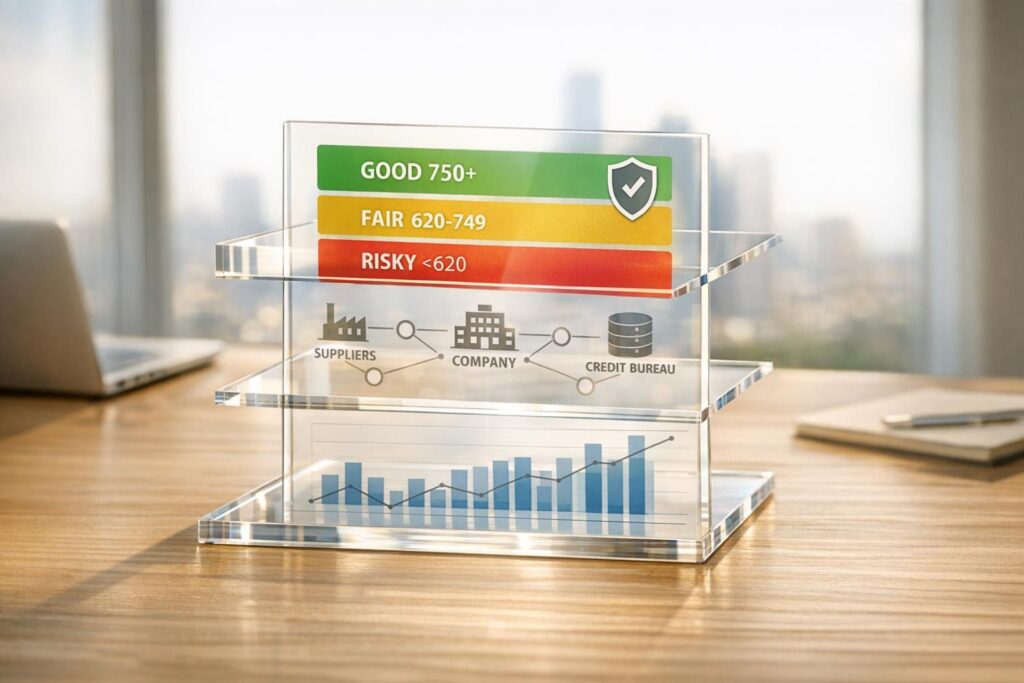
B2B credit scoring combining internal/external data, ML, tiered scores and trade credit insurance to reduce defaults and protect cash flow.
Predictive Analytics for Global Trade Risk Mitigation

AI-driven predictive analytics forecast supplier, tariff and shipping risks months ahead to cut disruptions and costs.
AM Best vs. Demotech: Credit Rating Comparison

Major and regional rating firms use different methods and scales—know which best reflects an insurer’s financial stability.
What Are Government-Backed Export Credit Programs?

How U.S. export credit programs reduce nonpayment and political risk, improve financing, and help exporters access high-risk markets.
Blockchain in Supply Chains: Checklist for ROI
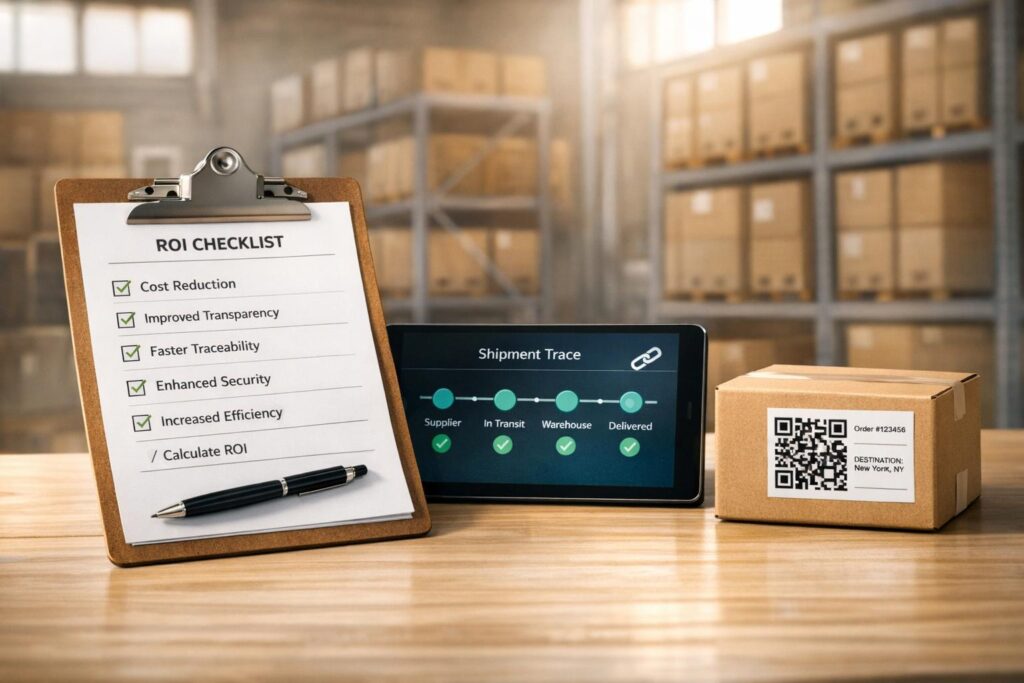
Practical checklist to evaluate blockchain ROI in supply chains: readiness, pilot design, KPIs, costs and integration benchmarks.
Fraud Detection Trends in B2B Transactions 2025

How AI, blockchain and identity verification stop B2B payment fraud with real-time detection, multi-layered controls, and data sharing.
