
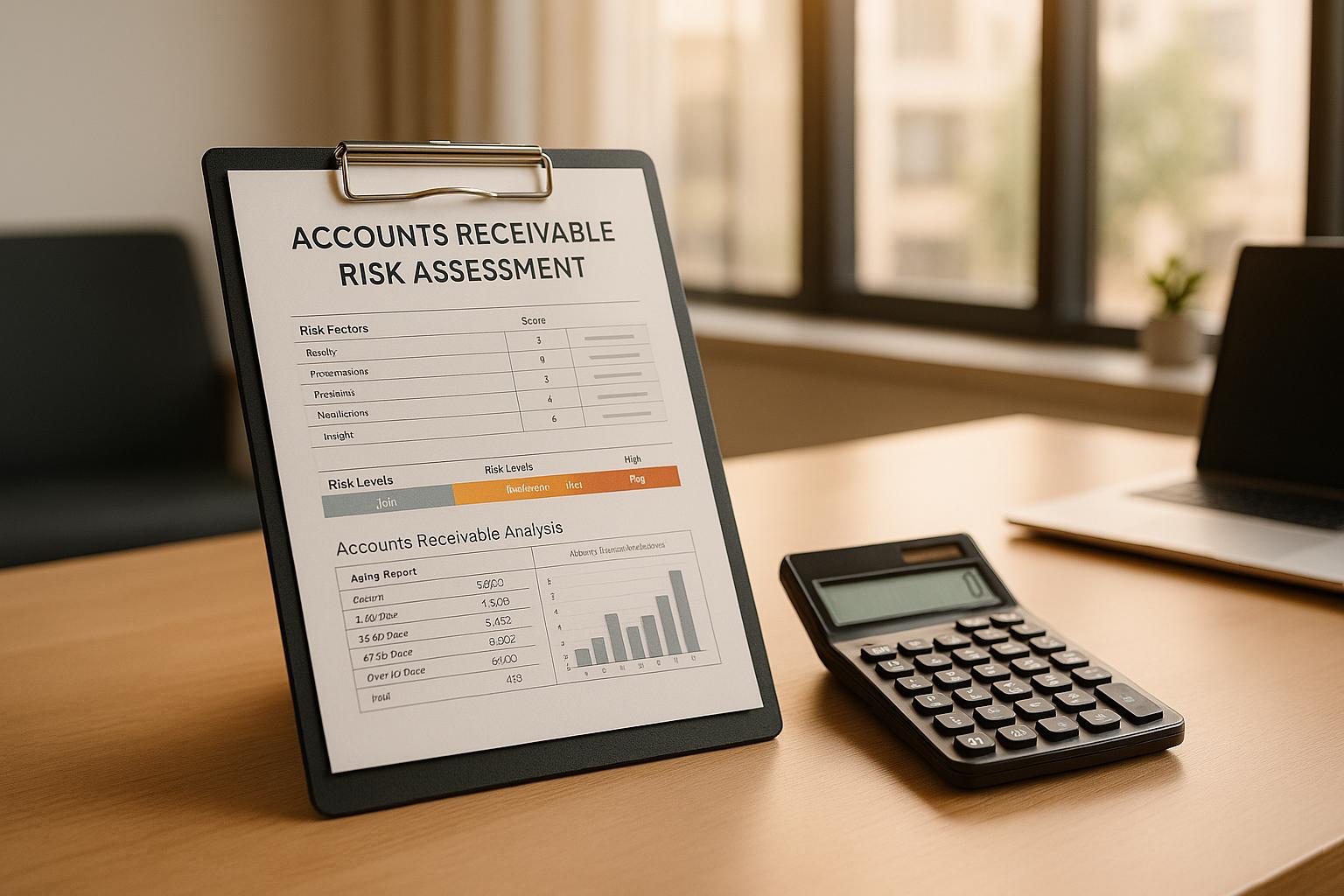
Understanding Accounts Receivable Risk for Your Business
Managing a business means keeping a close eye on cash flow, and one area that often trips up even seasoned entrepreneurs is unpaid invoices. When customers delay payments, it can create a ripple effect, stalling your ability to pay vendors or invest in growth. That’s where evaluating the risk tied to your accounts receivable becomes crucial. By understanding how much of your revenue is at stake and identifying patterns like overdue balances, you can take steps to protect your financial health.
Why Assessing Payment Risk Matters
Every business deals with late payments at some point, but the real danger lies in not knowing how exposed you are. If a large portion of your income depends on just a handful of clients, a single default could be disastrous. Similarly, if overdue invoices pile up, it might signal deeper issues with your credit policies. Tools that analyze these factors can offer clarity, helping you spot vulnerabilities early. Beyond just numbers, this kind of insight lets you build stronger strategies—whether that’s tightening terms or chasing down late payers with more urgency. Taking control of this aspect of your finances isn’t just smart; it’s essential for long-term stability.
FAQs
What exactly does accounts receivable risk mean for my business?
Accounts receivable risk is the chance that your customers won’t pay what they owe, which can mess with your cash flow. If a big chunk of your revenue is tied up with just a few clients, or if payments are consistently late, you’re more exposed. This tool breaks it down by looking at how spread out your receivables are and how overdue they’ve become. That way, you can see if you’re in a safe spot or if you need to tighten up your collection process.
How accurate is the risk score from this tool?
Our tool uses a solid methodology based on concentration risk and payment delays, which are two major indicators of trouble in receivables. While it’s not a crystal ball—it can’t predict if a specific customer will default—it gives you a reliable snapshot of your overall exposure. Think of it as a starting point to identify red flags and prioritize where to focus your efforts. For deeper analysis, you might pair this with a chat with your accountant.
What can I do if my risk level comes back as High?
A High risk score usually means you’ve got too much money tied up with too few customers or a lot of overdue payments. Start by reaching out to late payers with friendly reminders or set up stricter payment terms for new clients. You might also consider diversifying your customer base to spread the risk. Our tool will give you specific tips based on your inputs, but don’t hesitate to loop in a financial advisor if the numbers look really worrisome.
